
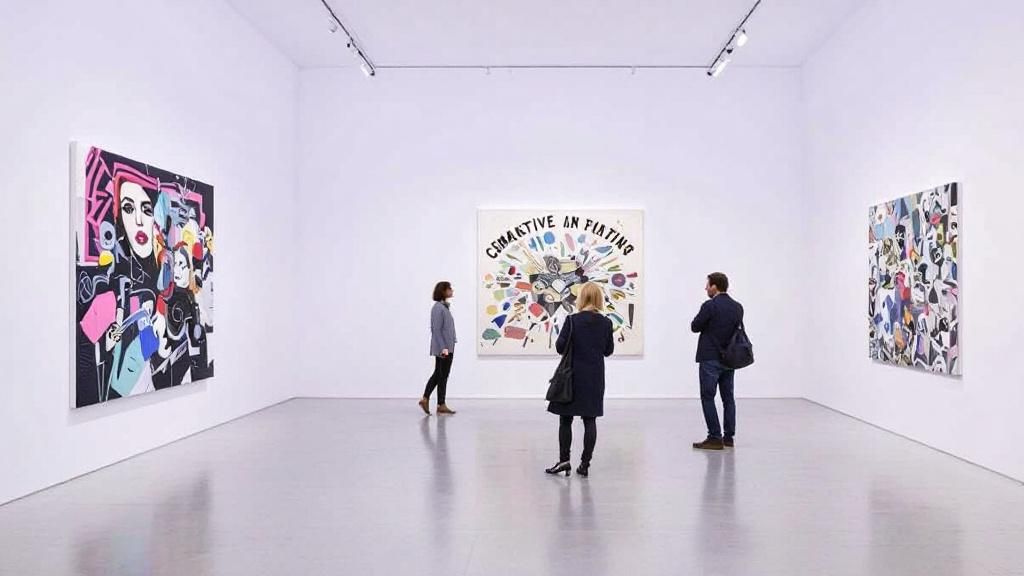
In a significant acquisition that reinforces its position as a premier institution for modern art, Tate Modern has revealed the receipt of a significant body of conceptual pieces from a collective of individual patrons. This munificent donation, consisting of works extending across many years, marks a defining point for the gallery’s holdings and stands to enrich wider appreciation of conceptual art’s evolution. The addition emphasises the vital role private support plays in preserving and championing the nation’s artistic legacy.
The Takeover and Its Importance
This significant acquisition represents a defining point for Tate Modern’s curatorial vision and public interaction framework. The collection includes approximately eighty works created between the 1960s and early 2000s, delivering thorough perspectives into conceptual art’s trajectory and philosophical underpinnings. By securing these pieces, Tate Modern strengthens its capacity to situate modern artistic practice within wider historical frameworks, confirming that future generations can interact substantively with this movement’s intricate dimensions and innovations.
The donation’s significance extends beyond mere numerical acquisition, reflecting changing perspectives towards institutional collecting and private patronage. These private donors have demonstrated remarkable dedication to public accessibility, ensuring that works previously held in private collections now benefit the broader public. Their generosity exemplifies how cooperative ties between collectors and cultural institutions foster more inclusive approaches to art preservation, allowing Tate Modern to fulfil its pedagogical role with greater scope and demonstrate the lasting significance of conceptual practices.
From a curatorial perspective, the collection addresses important gaps within Tate Modern’s existing holdings, particularly regarding marginalised artistic practices and voices. Several works by leading women practitioners and international practitioners formerly excluded from the permanent collection now enhance institutional representation. This acquisition therefore plays a significant role in continued work within British museums to address historical imbalances, advance varied viewpoints, and establish more equitable frameworks for understanding contemporary art’s complex terrain and broader cultural impact.
Influence on Public Gatherings
The introduction of these works significantly enhances Tate Modern’s ability to support innovative programming and scholarly research. Museum professionals can now create far more refined exhibitions examining conceptual art’s foundational theories, practices, and sustained effect on current artistic practice. Expanded collections permit curators to offer nuanced narratives once restricted by budgetary limitations, encouraging greater audience understanding for conceptual approaches and their ongoing significance to contemporary artistic discourse and cultural debate.
Additionally, enlarged acquisitions facilitate interdisciplinary collaboration between Tate Modern’s divisions and external researchers, scholars, and artists. These collaborations generate fresh interpretations and deeper comprehension of collected artworks, strengthening the institution’s understanding whilst contributing to wider scholarly discourse. The collection’s embedding in Tate Modern’s operational framework reinforces Britain’s cultural institutions as key intellectual spaces, showcasing how strategic acquisitions promote both preservation work and intellectual exploration within contemporary art studies.
Influence on Modern Art Curatorial Practice
This acquisition fundamentally reshapes Tate Modern’s curatorial approach, permitting the institution to display more comprehensive narratives of the evolution of conceptual art. The collection facilitates deeper exploration of creative movements that pushed back against established aesthetic norms and reshaped how artists worked throughout the twentieth century. Expanded acquisitions strengthen the gallery’s capacity to mount thematic exhibitions and place works in context within larger historical contexts, enhancing visitor experience and research opportunities for scholars considerably.
Developing Institutional Collections
The donation greatly enhances Tate Modern’s representation of conceptual art, filling long-standing gaps within the core collection. Historically underrepresented artists and movements now receive appropriate visibility, allowing curators to develop more nuanced historical narratives. This expansion allows the institution to question prevailing critical frameworks and present alternative perspectives on canonical works, fostering intellectual rigour and stimulating deeper engagement with conceptual practice’s multifaceted dimensions.
Strengthened collection capabilities places Tate Modern to become the definitive resource for conceptual art scholarship and display. The addition engages international researchers, curators, and artists wishing to work with comprehensive holdings. Enhanced holdings support institutional collaborations with institutions worldwide, fostering knowledge exchange and strengthening Britain’s cultural standing within international contemporary art conversations and sector partnerships.
- Enhances visibility of international theoretical frameworks and practitioners
- Supports extensive thematic displays examining artistic innovation and experimentation
- Supports academic inquiry through strengthened documentary resources and historical attribution records
- Promotes educational initiatives and community engagement with current artistic practice
- Strengthens institutional reputation within worldwide academic and curatorial networks
Future Shows and Community Access
Tate Modern has commenced planning an ambitious exhibition schedule to display the newly acquired works of conceptual art to the British and international public. The gallery intends to exhibit the body of work through a range of thematic displays, beginning in autumn 2024, which will explore the theoretical basis and artistic importance of conceptual art. These presentations will be accompanied by comprehensive educational programmes, such as presentations, workshops, and guided tours designed to foster deeper connection with these thought-provoking works.
Beyond temporary exhibitions, Tate Modern is focused on maintaining sustained accessibility to key pieces from the collection through its ongoing gallery rotations and digital platforms. The institution recognises the value of broadening access to contemporary art, particularly works that challenge traditional artistic conventions. By integrating these acquisitions into its collection displays and digital platforms, Tate Modern seeks to enable wider academic inquiry and cultivate deeper understanding for the sustained influence of conceptual art on current creative expression.
